Monitoring Office
LICADHO’s Monitoring Office identifies, investigates and documents cases of human rights violations in Cambodia. Our experienced monitors are located across the country, making LICADHO accessible to grassroots rural communities and Cambodians needing to report abuses and pursue justice in the context of an increasingly difficult human rights environment.
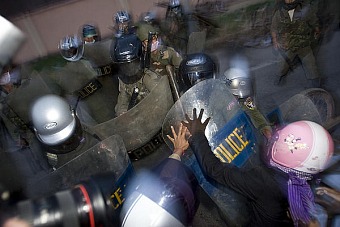
LICADHO’s monitors are on the frontlines of documenting rights abuses by the state, political elite, and kleptocratic businesses. The Monitoring Office works closely with other LICADHO offices and partner organisations to provide legal, paralegal and medical services to Cambodians affected by rights violations. Their work includes making assessments for material support for human rights defenders and their families, and recommending targeted advocacy strategies to publicise the human rights situation in Cambodia.
Women’s Rights Office
Women in Cambodia continue to face gender-based violence and have limited access to justice due to entrenched gender norms, an ineffective judicial system and endemic corruption. LICADHO’s Women’s Rights Office supports women who have experienced domestic violence, rape and indecent assault, acid attacks, human trafficking and other violations by investigating cases, providing legal support and coordinating the delivery of essential, holistic services.
Monitors investigate cases, support women to file legal interventions, accompany them to court proceedings or meetings with local authorities, and pursue stalled cases with government officials or court staff. Monitors also coordinate services through LICADHO’s other offices and assist women in finding services with partner organisations to ensure that they have the support they need while seeking justice and safety.
In a system where authorities and people routinely engage in victim-blaming and perpetrators enjoy impunity, LICADHO stands with women and will continue to provide them with support and services to obtain justice.
Children’s Rights Office
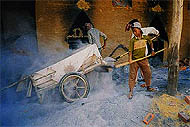
Children in Cambodia continue to face violations of their rights. LICADHO’s Children’s Rights Office investigates children’s rights violations, such as killings, physical violence, rape and indecent assault, domestic violence, human trafficking, child labour and other violations.
Monitors support children and their families as they seek justice by sharing information with children and families about their legal options, supporting them to file complaints, and intervening with relevant authorities to ensure action. Monitors also coordinate legal aid, social support and medical care through other LICADHO offices and refer cases to partner organisations for other services when needed.
Authorities continue to improperly drop criminal proceedings after pressuring families to agree to out-of-court settlements, leaving children without access to justice and at risk of further harm. LICADHO supports children and their families in overcoming these and other challenges as they seek justice.
Medical Office
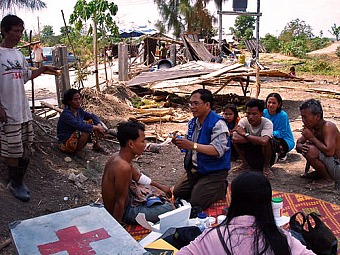
Many of Cambodia’s at-risk and marginalised people lack access to reliable and affordable healthcare services. LICADHO’s Medical Office bridges this gap by providing consultations and treatment, including in prisons, during protests, for communities affected by land grabbing, at eviction and relocation sites, and at its clinic in the Phnom Penh office.
The Medical team accompanies LICADHO’s human rights monitors to events not only to provide treatment, but also to document the health impacts of violence. This evidence is used in information sharing, advocacy and, at times, in court cases.
The Medical Office uses a team of doctors and pharmacists to provide a wide range of medical services to victims of human rights abuses, frontline activists, human rights defenders, people living in relocation sites or who have been evicted from their homes, and people detained in prison.
Social Work Office
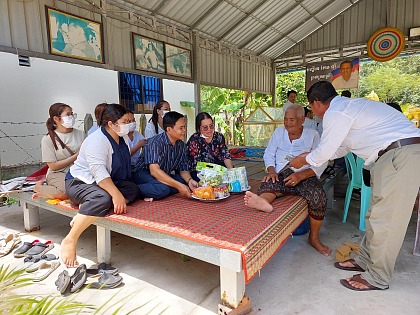
The Social Work Office provides essential services and assistance to human rights defenders and people who have experienced human rights violations. These services seek to fill the gap left by the lack of social welfare services provided by the state. This includes material support like food, hygiene products, household goods and essential items for babies and children.
LICADHO’s Social Work team works closely with the Monitoring, Legal and Advocacy teams to identify people and communities affected by rights violations, ensure that their basic needs are met, and enable them to continue their advocacy.
Legal Office

The Legal Office provides free legal representation and counsel to human rights defenders, victims of land grabbing and evictions, and people who have experienced domestic violence, rape and human trafficking. This support is crucial to obtaining protection of people's rights, and accountability and remedy through Cambodia's courts that are corrupt and not independent.
The Legal team comprises lawyers and paralegals who, in cooperation with other offices, provide legal services and advice or defend people facing lawsuits related to violations of their human rights. The team guides LICADHO’s clients through every stage of the legal process, including filing bail applications, interviews by the prosecutor and investigating judge, gathering and submitting evidence, representing clients at trial, and filing appeals against wrongful convictions.
In the course of its work in the Cambodian court system, the legal team monitors high-profile cases to monitor fair trial rights violations, analyses national laws and regulations, and spreads awareness among communities of legal developments that may affect their rights.
Prison Monitoring Office
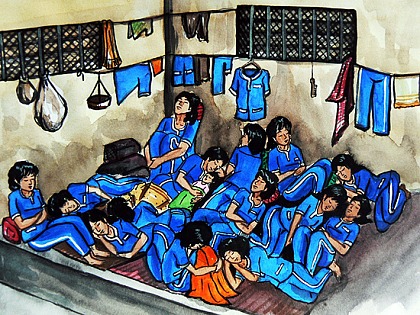
Cambodia’s prisons are severely overcrowded and have abysmal living conditions. People in prison have to routinely make informal payments for basic necessities like food, space to sleep and family visits. The prison population in Cambodia has some of the country's most vulnerable groups, who face repeated rights violations while under the duty of the state.
LICADHO monitors over half of Cambodia’s 28 prisons. Prison researchers regularly visit people in prison and conduct interviews to monitor for instances of torture, investigate cases of prison violence and corruption, assist clients with legal proceedings such as filing bail applications and appeals, and investigate other human rights abuses. Researchers also assist marginalised populations in prison, including human rights defenders, pregnant women, children detained with their mothers, and child prisoners, advocating against their senseless detention without proper trials.
Prison researchers often work with the Medical and Social Work teams to provide material support and medical treatment to people in prison, including support for detained people through their pregnancy and their babies.
Advocacy, Documentation and Research Office
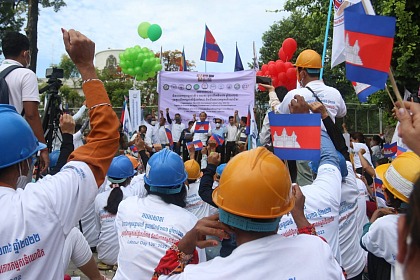
LICADHO’s Advocacy, Documentation and Research Office documents and uses information from the Monitoring Office and other teams to promote and amplify the voices of human rights defenders, activists, journalists and Cambodians who want to advocate for a safe and fair society.
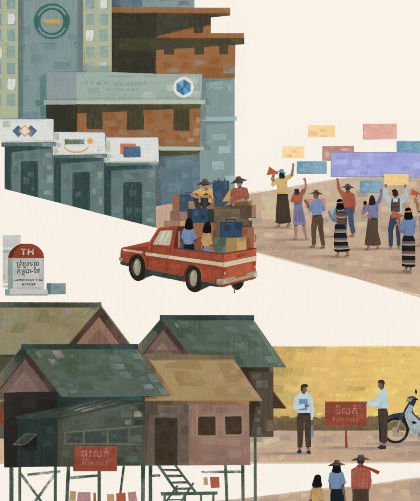
The Research team produces long-term, evidence-based research to further existing advocacy strategies, centering and amplifying the voices of people whose human rights have been abused in order to urge reforms at the national and international levels. The team was formed to investigate widespread human rights abuses in Cambodian microfinance sector, producing reports, briefing papers and other publications, as well as conducting advocacy and filing complaints with multilateral and bilateral development finance institutions regarding harmful investments the microfinance sector. They work closely with other NGO partners, researchers, development agencies, development finance institutions and journalists in order to raise awareness and call for action to address human rights abuses in Cambodia.
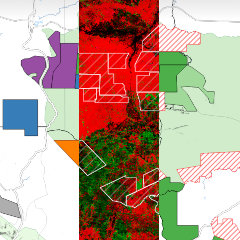
The Documentation team maintains case files and information from its network of offices, and works closely with the Advocacy team to publish briefing papers, reports, public campaigns, and other advocacy materials on human rights abuses in the country. This advocacy involves working closely with grassroots communities and activist groups, to help amplify their messages and ensure their voices are heard domestically and internationally. The team also conducts digital training to ensure that activists and communities are protected from intrusive surveillance and able to advocate safely.